RPP Kenya:
+254 710 714 023
+254 734 074 791
Address:
P. O. Box 54276-00200 Nairobi, Kenya
Ngong / Matasia Area
RPP Rwanda:
+250 798 693 788
Address:
Nyarutarama
Gishushu
KG: 527 St 1

RPP Kenya:
+254 710 714 023
+254 734 074 791
Address:
P. O. Box 54276-00200 Nairobi, Kenya
Ngong / Matasia Area
RPP Rwanda:
+250 798 693 788
Address:
Nyarutarama
Gishushu
KG: 527 St 1

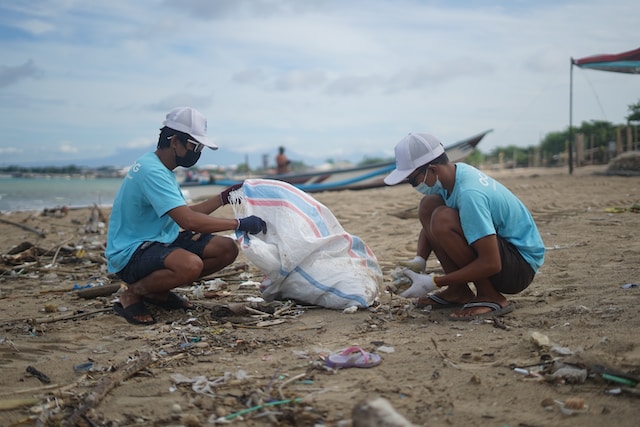
As we step into a new year, the call to protect and conserve our environment has never been more urgent. With climate change, habitat destruction, and pollution threatening the delicate balance of our planet, there’s no time to waste. It’s time to make a difference, and that starts with individual and collective action. Here are some impactful ways to conserve the environment in 2023 and beyond.
1. Reduce, Reuse, Recycle: The Classic Trio
One of the most effective ways to conserve resources and reduce waste is by following the three Rs: Reduce, Reuse, and Recycle. Reduce your consumption by buying only what you need and avoiding single-use plastics. Reuse items whenever possible, and recycle materials like paper, glass, and plastic to keep them out of landfills.
2. Embrace Sustainable Transportation
Consider swapping your gas-guzzler for a fuel-efficient or electric vehicle. Better yet, explore public transportation, carpooling, biking, or walking for shorter trips. These alternatives not only reduce your carbon footprint but also save you money on fuel.
3. Support Renewable Energy
Transition to renewable energy sources like solar or wind power for your home. Many regions now offer incentives to make this switch, making it both an environmentally and financially wise choice.
4. Mindful Water Usage
Be conscious of your water consumption. Fix leaks, install low-flow fixtures, and collect rainwater for irrigation. Conserving water is crucial, especially in regions facing water scarcity.
5. Eco-Friendly Landscaping
Choose native plants for your garden, as they require less water and support local wildlife. Avoid chemical pesticides and fertilizers in favor of natural alternatives.
6. Reduce Meat Consumption
Cutting back on meat consumption, especially red meat, can significantly reduce your carbon footprint. Explore plant-based and vegetarian meals for a healthier you and a healthier planet.
7. Composting
Start a compost pile for organic waste, such as kitchen scraps and yard trimmings. Composting not only reduces landfill waste but also enriches your soil.
8. Mindful Shopping
Opt for products with minimal packaging and support companies with strong environmental commitments. Buy in bulk when possible to reduce packaging waste.
9. Energy-Efficient Home
Upgrade your home’s insulation, invest in energy-efficient appliances, and turn off lights and electronics when not in use. Small changes in your daily habits can lead to substantial energy savings.
10. Environmental Advocacy and Education
Stay informed about environmental issues and support organizations working to protect our planet. Educate yourself and others about the importance of conservation.
11. Participate in Clean-Up Initiatives
Get involved in local clean-up efforts in your community. Whether it’s a beach cleanup or a neighborhood litter pick-up, every bit helps.
12. Sustainable Travel
When traveling, choose eco-friendly accommodations, reduce plastic waste, and support responsible tourism practices that benefit local communities and protect natural habitats.
13. Responsible E-Waste Disposal
Recycle or properly dispose of electronic waste. Many organizations accept old electronics for recycling to prevent hazardous materials from contaminating the environment.
14. Reduce Fast Fashion
Support sustainable fashion by buying fewer, higher-quality clothing items and recycling or donating old garments.
15. Advocate for Change
Use your voice to advocate for environmentally responsible policies and practices in your community and beyond. Participate in environmental activism and support legislation that promotes sustainability.
In 2023, let’s make a collective commitment to protect the environment. Each action we take, no matter how small, contributes to a more sustainable future for our planet. By adopting these practices and encouraging others to do the same, we can create a greener, healthier world for generations to come.
These are truly great ideas in on the topic of blogging.
You have touched some nice factors here.
Any way keep up wrinting.