RPP Kenya:
+254 710 714 023
+254 734 074 791
Address:
P. O. Box 54276-00200 Nairobi, Kenya
Ngong / Matasia Area
RPP Rwanda:
+250 798 693 788
Address:
Nyarutarama
Gishushu
KG: 527 St 1

RPP Kenya:
+254 710 714 023
+254 734 074 791
Address:
P. O. Box 54276-00200 Nairobi, Kenya
Ngong / Matasia Area
RPP Rwanda:
+250 798 693 788
Address:
Nyarutarama
Gishushu
KG: 527 St 1

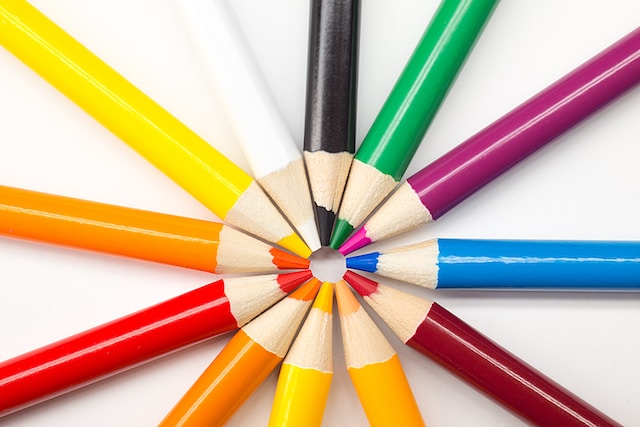
In a world increasingly conscious of environmental impact, the humble pencil and pen have undergone a remarkable transformation. Recycled pencils and pens, crafted from materials like newspapers and magazines, have emerged as sustainable alternatives to their traditional counterparts. Beyond their eco-friendly credentials, these writing instruments offer a host of benefits that extend from the classroom to the boardroom. In this article, we explore the myriad advantages of choosing recycled pencils and pens.
1. Eco-Friendly Materials: Reducing Resource Consumption
Recycled pencils and pens are often made from post-consumer waste materials, such as newspapers and magazines. By repurposing these materials, fewer trees are felled, reducing deforestation and the carbon footprint associated with traditional wood pencils.
2. Waste Reduction: Diverting Materials from Landfills
By utilizing recycled materials, these writing instruments divert waste from landfills, helping to reduce the strain on our waste disposal systems and minimize the environmental impact of non-biodegradable materials.
3. Energy Savings: Lower Carbon Emissions
Manufacturing recycled pencils and pens typically requires less energy than producing virgin materials. This translates into reduced greenhouse gas emissions and a smaller carbon footprint.
4. Sustainable Practices: Supporting Responsible Production
Choosing recycled writing instruments encourages manufacturers to adopt more sustainable practices and reduce their reliance on virgin resources. It contributes to a shift towards a circular economy.
5. Durability: Quality Without Compromise
Recycled pencils and pens are designed to be just as durable and reliable as traditional writing instruments. Quality is not compromised, ensuring a long-lasting and reliable writing experience.
6. Versatility: Suitable for Various Uses
Recycled pencils and pens are available in various styles, colors, and designs, making them suitable for a wide range of applications, from everyday note-taking to artistic creations.
7. Customization: Personalized Branding
Businesses and organizations can personalize recycled writing instruments with their branding and messages, aligning their identity with sustainability and eco-consciousness.
8. Education and Awareness: Teaching Environmental Values
Using recycled writing instruments in educational settings helps instill eco-friendly values in students, fostering a sense of responsibility for the environment.
9. Cost-Effective: Affordable Sustainability
Recycled pencils and pens are competitively priced, making sustainability accessible to a broad audience. Choosing eco-friendly options doesn’t have to break the bank.
10. Environmental Advocacy: Spreading the Message
Each recycled pencil and pen used becomes a small but powerful advocate for environmental conservation. It communicates a commitment to sustainability to others.
11. Reduced Water Usage: Conservation in Production
The production of recycled materials often requires less water compared to the manufacturing of virgin materials, contributing to water conservation efforts.
12. Inspiration and Creativity: A Conduit for Expression
Recycled writing instruments inspire creativity and innovation. Artists, writers, and creators can harness the unique story and purpose behind recycled materials in their work.
In conclusion, recycled pencils and pens are more than just writing tools; they represent a commitment to sustainability and a dedication to making environmentally conscious choices. By embracing these eco-friendly alternatives, we not only reduce our ecological footprint but also contribute to a brighter, more sustainable future—one where waste becomes wonder, and every stroke of a recycled pencil or pen tells a story of environmental stewardship.